A healthy dance ecosystem consists of a broad demographic range of artists. Diverse ages, styles, cultures and backgrounds make up the most vibrant of arts communities. With cultural ageism hard-wired into our current media and marketing systems that sway the general public to overlook older populations, diversity in age isn’t routinely celebrated. This falls particularly hard in the dance arts, where the physical lifespan is often shortened and younger dancers and dance makers fill the spotlight. The “3320” Dance Series aims to level that imbalance by placing experienced dance makers in the foreground. The “3320” showcase (named thus for no particular reason) brings two weekends of dance performance to the intimate Dovetail Garage space October 16, 17, 23 and 24.
During the isolation of the 2020 pandemic, the topic of ageism sparked a dialog between two veteran Chicago dance artists. Artistic director of Zephyr Dance, Michelle Kranicke (Kranicke’s been making dances for nearly 35 years) and longtime performer/choreographer and founding director of Same Planet Performance Project, Joanna Read sought creative motivation for themselves and longed for more visibility.
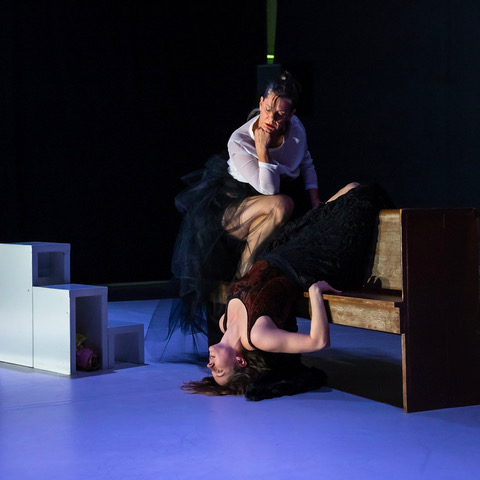
“Initially, Michelle and I talked about how the pool of older artists had been shrinking,” says Read. Discussions stemmed from knowing that emerging dance makers could find benefit and inspiration from the work and wisdom of experienced artists, either through their expert training or by witnessing their choreography. “We saw younger artists being prioritized by funders and wanted to connect with mid to late-career artists who were still making work,” says Read. “We really were thinking of how to elevate these older artists.” Their conversations lead to the birth of a particular kind of dance festival—one that brings a variety of dance creatives together, yet emphasizes the work of long-career artists.
Kranicke felt like choreographers were detached, creating in their own independent silos. Especially coming out of the pandemic, Kranicke longed to work with others and return to a sense of togetherness. “We lost a number of festivals recently—Chicago Dancing Festival, Harvest Chicago Contemporary Dance Festival and Other Dance Festival,” she says, and many community-focused programming opportunities disappeared with the loss of Links Hall.
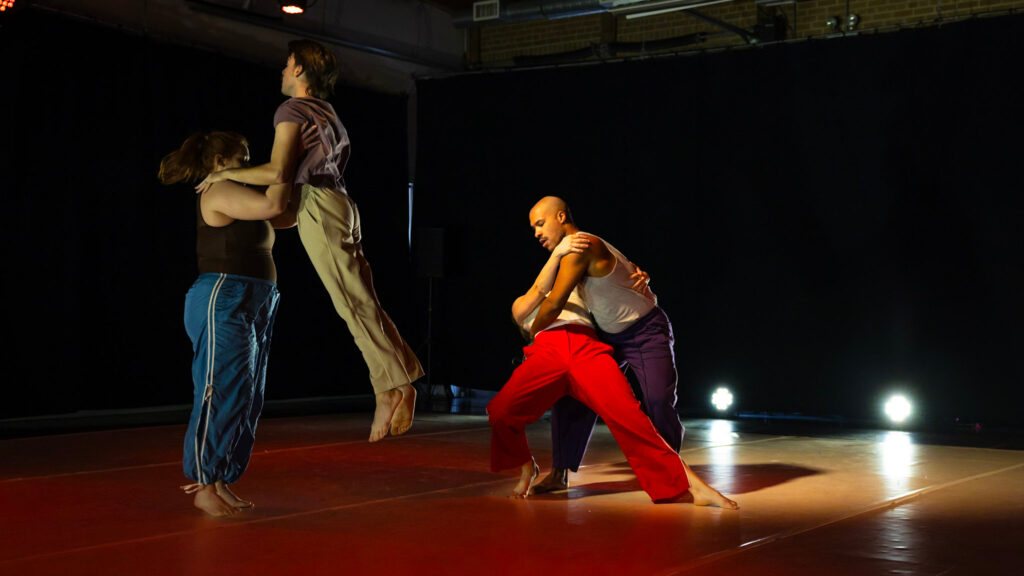
“As co-producers, we really strive to find artists who will push themselves more or might be open to a new opportunity,” says Kranicke. “The artists’ slate is invitational.” In selecting artists for this year, Read and Kranicke focused heavily on modern dance styles and genres but also included ballet, contemporary-influenced Bharatanatyam and performance art. Along with works performed by Kranicke and Read’s respective companies Zephyr and Same Planet, each weekend features a different bill of new and recent pieces by a wide scope of artists, some of whom have been creating since long before this current millennium.
Varied styles and the multi-generational inclusion is what attracted Maggie Vannucci, one of the few younger artists to participate this year, seeing it as a chance to hone, develop and learn from the veterans. “This festival brings something I’ve always loved about Chicago—the mixing and mingling of seasoned artists and fresh voices,” she says.
Beyond the presentation of work, “3320” supports the process too. Participating artists are given a set number of free rehearsal hours at Dovetail Studios, with subsidized additional time, offsetting expenses, particularly for artists who do not work under a larger umbrella. Photo and video documentation are also provided by the festival. “If resources can be shared among multiple artists, we can lower the barrier to entry for presenting our work,” Vannucci says. “Hourly studio rental costs create an accessibility tension: how do we research a work properly if we cannot afford to be physically in the studio regularly?”
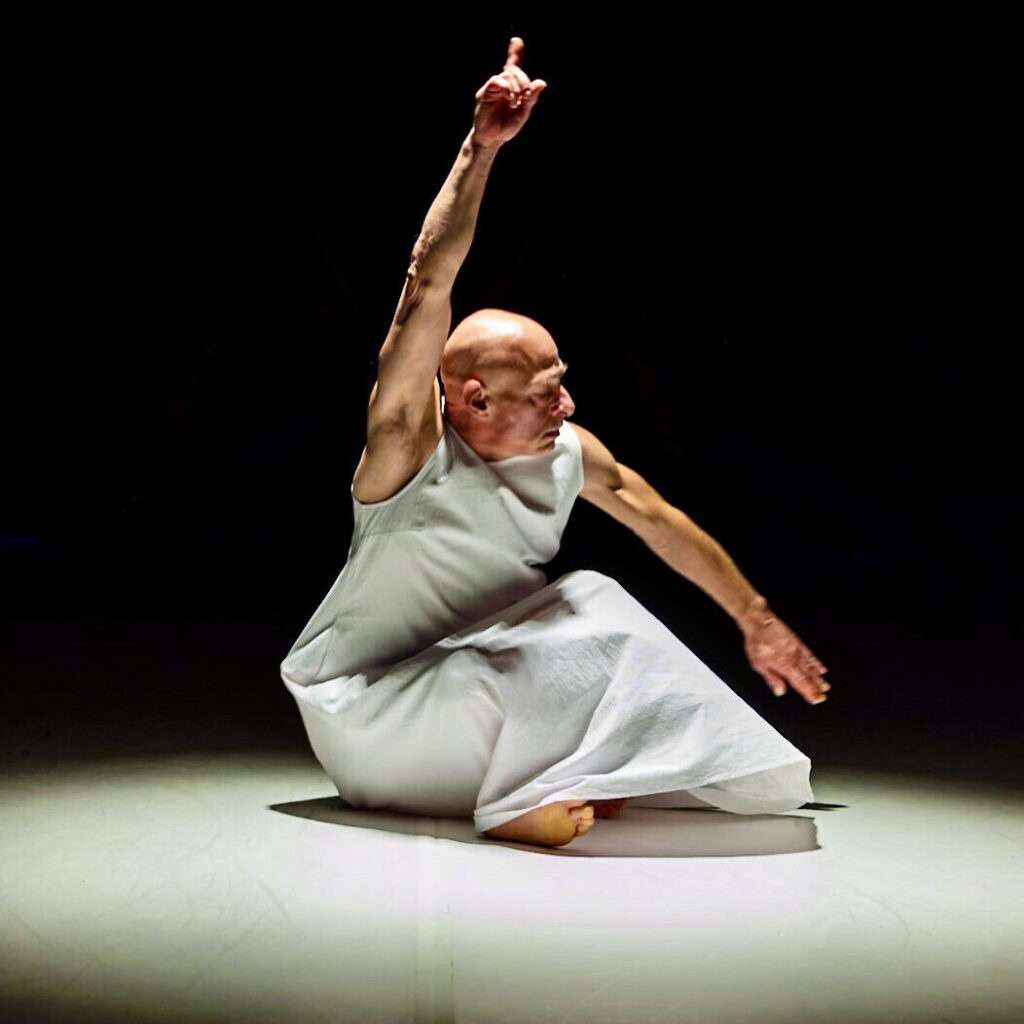
Under Read’s direction, the ten-year-old Same Planet Performance Project headlines each weekend, unveiling a new work curiously titled, “May you swallow an umbrella and may it open up in your belly.” Derived from a Yiddish saying about revenge, Read’s movement stems from explorations of how strong human emotions can intertwine. “The piece is about opposites,” she says. “Within that, the detail of performing the movement is very important. It’s exhausting, humorous and very specific.”
For Zephyr’s contribution on the second weekend of the series, Kranicke looked back at older works asking herself what movement material and performance elements she wanted to leave behind, and if there was anything she might want to continue to use. “(Dance pioneer) Yvonne Rainer used the term ‘cherry-picking,’” says Kranicke. “I hung onto that phrase, and I’m pulling snippets from a 2007 work and combining them with new movement and stage elements.” The resulting retro-feeling “Ballad of a Dying Hapsburg, Study #3” may eventually be part of an evening-length piece, Kranicke says. “It comes from the idea that with the rapid pace of changing times, we lose important elements of art and history. Things are shoved away so quickly.”
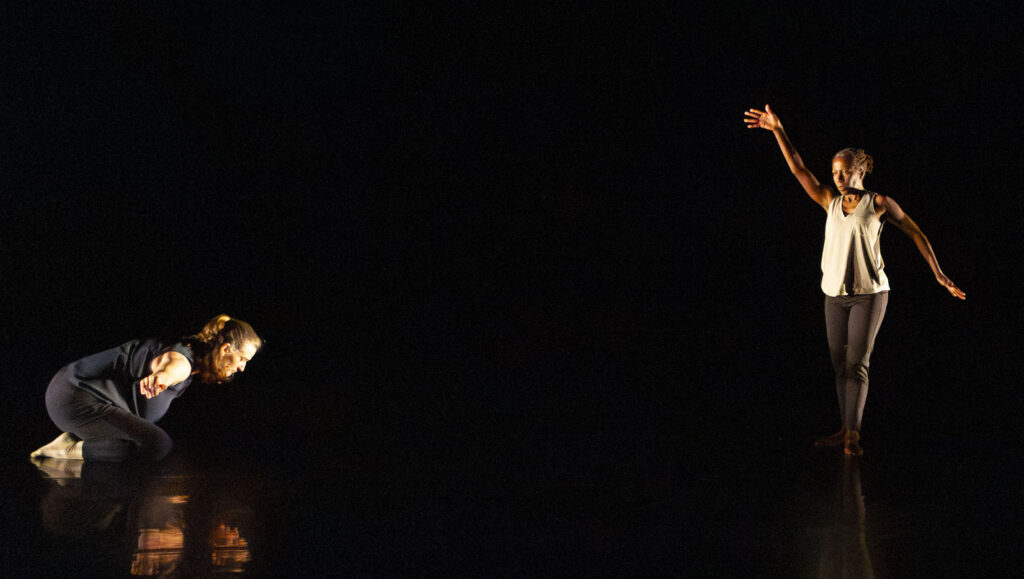
Also performing on one weekend apiece, Colleen Halloran explores the invisibility of women as they age in a duet choreographed in partnership with performers Keesha Beckford and Dardi McGinley Gallivan, Joseph Ravens revisits abandoned artistic ideas in a new performance piece and Jyl Fehrenkamp and Matthew Hollis bring a new duet which according to press materials is, “about life, love and a loss of cartilage.” Vannucci’s piece, “Residue Edging” uses humor and a sense of play to approach the conflict between wanting and having. Soren Niewelt, Ishti Collective and near octogenarian Bob Eisen fill out the slate.
Although Read has goals for the future of the series, it’s a little too early to know if “3320” will become a solid annual fixture on the Chicago dance calendar. “We’ll see how it goes for our third year,” she says. “Every year, I question whether or not to do it again.” Yet Read is quick to think forward toward expanding into a three-week series, and she dreams of paying artists beyond the current in-kind contributions. Read also feels that the broad age demographic model presents an opportunity to keep building the audience. “We want to continue to expose people to something that they might not have chosen to see in the first place, and we hope they respect it and know that it has value.” she says. “We think the audience will be inspired and enlightened.”
3320 Dance Series, Fridays and Saturdays, October 16 & 17, 23 & 24, 7PM at Dovetail Studios, 2853 W. Montrose Ave. Tickets available by clicking HERE.
Copyright 2026, See Chicago Dance, All Rights Reserved