
Chicago Human Rhythm Project presents the second installment of its “Stomping Grounds” series at the DuSable Museum of African American History on Sunday, May 31. “Stomping Grounds” is a citywide performance and educational festival designed to showcase companies and independent artists engaging in the different forms of foot drumming. With styles ranging from Spanish flamenco and traditional African dance to Irish step dance, this performance focuses on the dynamic rhythm of American tap dance.
This performance was chosen to coincide with National Tap Dance Day, officially celebrated on May 25, the birthday of iconic tap dancer Bill “Bojangles” Robinson. In addition to honoring the dance legacy of Robinson, this year’s performance is also dedicated to jazz legends Miles Davis and John Coltrane—born in 1926, both musicians celebrate centennials this year.
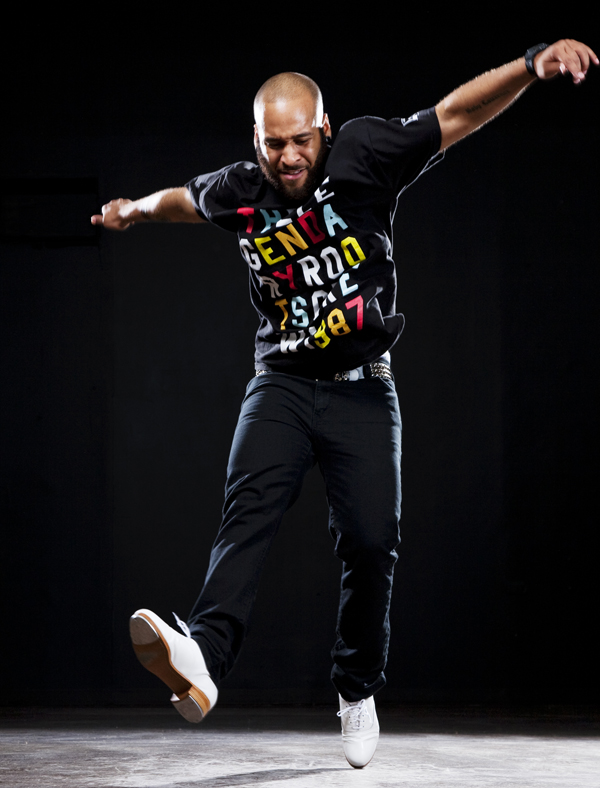
The program is led by artistic director Jumaane Taylor, who invited local artists and teachers whose artistic styles “tackle and rediscover what new [tap] needs to be” within tap’s “roots, within legacy, within our ancestors.” This evening celebrates the history and future of tap in a glorious spread of footwork, rhythm, and showmanship that lock together in a rattling collage of musicality and style.
The most physically impressive, piece of the evening is “Supreme Love,” performed by Taylor, Keyana Latimer, Hannah Geiser, Donyella Kitrell-Jackson, Andrew Carr, and Megan Davis. This thirty-minute love letter draws inspiration from Coltrane’s influential album “A Love Supreme,” with Taylor’s choreography channeling its rhythms, spirituality, and emotional depth through tap.
This piece is particularly effective in showcasing the individual talents of all the local artists involved. In such a long work, each dancer is given plenty of time to step into a solo and fully lean into their own rhythm, speed, and joy of tap. With the other dancers slowly pacing behind each soloist, the entire work feels both alive and communal in its energy, a reflection of the bebop jazz style that Coltrane explored in his album.
A special shout-out is in order for the band, which keeps the energy and style on par with the dancers throughout the evening. Amr Marcin Fahmy on piano, Dakarai Barclay on trumpet, Brent Griffin Jr. on alto saxophone, Marlene Rosenberg on bass, and Isaiah Spencer on drums are all fabulous artists.
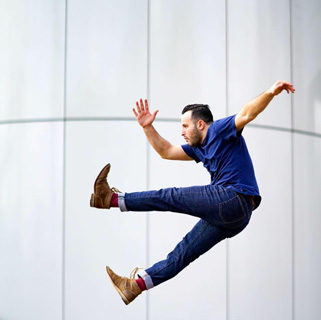
“Autumn Leaves” is an improvised solo by Jeremy Arnold set to Davis’ music. Capturing the casual, yet classy, feeling of taking a leisurely stroll through the park, Arnold builds up his performance in slow conversation with the live band on stage. With bouncy flap skips across the stage, slow toe-dragging turns, and syncopated toe heels that leave him on the edge of being late, Arnold embodies the playful restraint found within Davis’ music. Even when his tapping increases in speed, the easy intimacy of the performance showcases the impressive musicality, artistry, and joy found within tap.
“Sketches,” by Anthony Morigerato, is a meditation on Davis’ popularization of modal jazz, a style that focuses on improvisation over a single scale rather than complex chord changes. Morigerato, known for his ability to linger, is the perfect artist for this kind of contemplation, exploring ideas like sketches on a page.
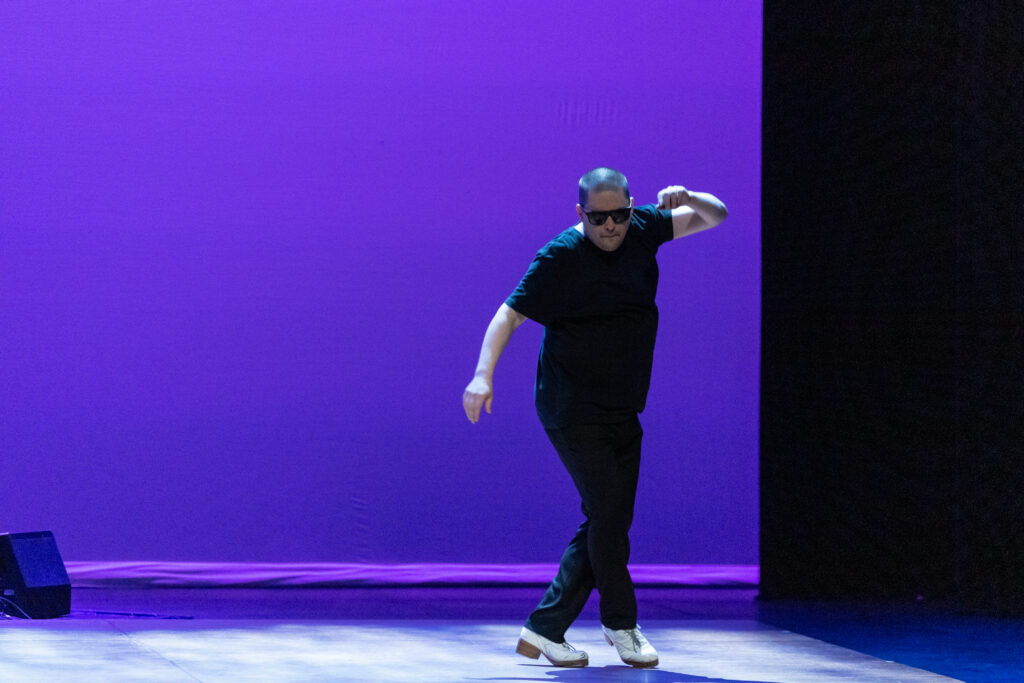
With sunglasses on, Morigerato coolly shuffles through quick heel-toe crawls, triple-shuffle changes, and turning wings at the level of a soft whisper, playing with volume and rhythm by dancing off beats as much as on. His easy tapping, paired with varying speed and density of sounds, showcases a masterclass in layered tapping captured within an iconic genre of jazz.
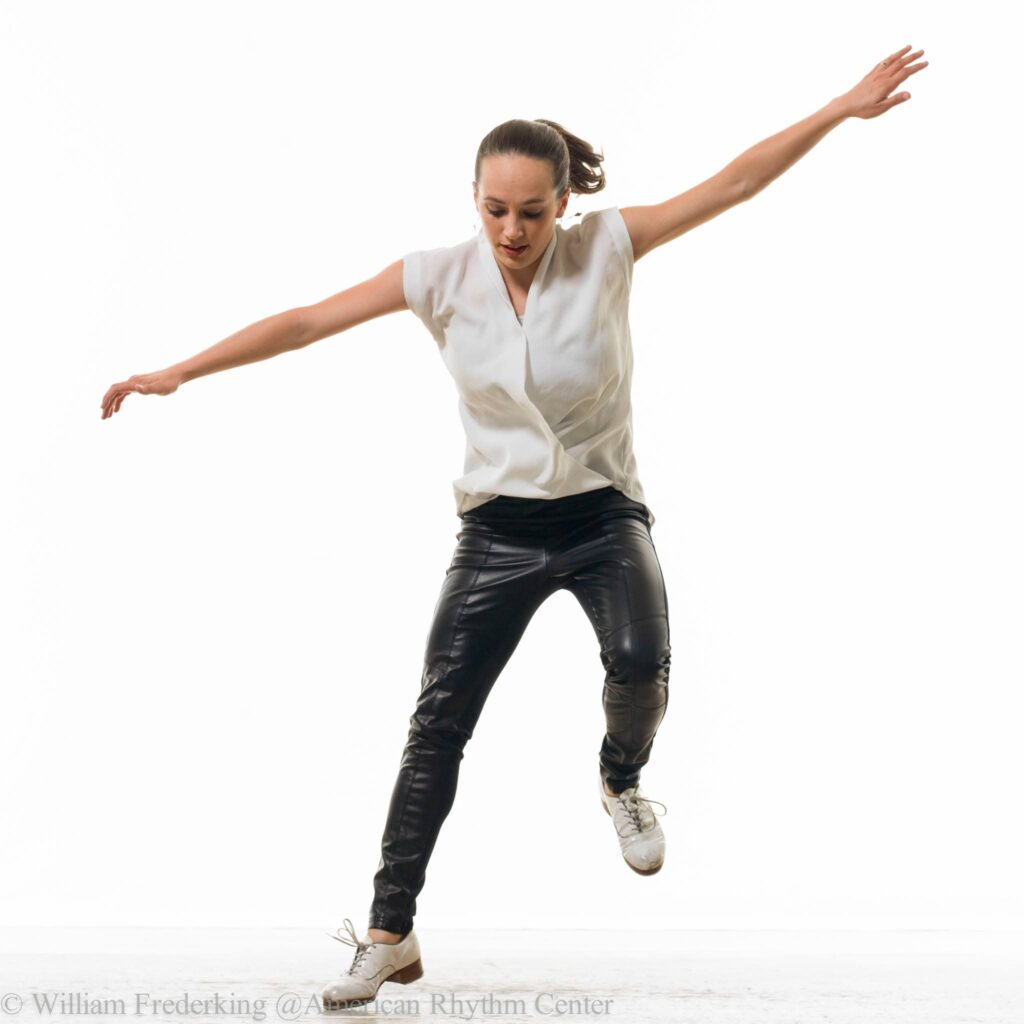
“Four” by Jessica Bronson, also set to Davis’ music, explores the truth, honor, happiness, and love that tap brings to her, all packed within a short, five-minute piece bursting with energy and emotion. By condensing multiple shuffles, flaps, and heels within each phrase for maximum rhythm and sound, while sometimes overwhelming, Bronson ultimately delivers an impressive display of speed, precision, and stamina.
Bronson ends with an energetic back-and-forth exchange with the band, a battle-esque competition between musician and dancer, a challenge of rhythm as the musicians steadily increase the tempo. The performance is ultimately a reminder of the fierce emotions and collaborative spirit on which jazz and tap are founded and continue to thrive.
Overall, this evening is an impressive display of the artistry, musicality, and mastery found within Chicago’s local tap community. By honoring the legacies of Robinson, Davis, and Coltrane, these performances celebrate the foundations of tap dance and jazz music while pushing the forms forward in new and exciting ways. By bringing together a range of styles and perspectives, the “Stomping Grounds” festival encourages audiences to look beyond preconceived notions of each genre and appreciate how artists reinterpret tradition to create emotionally resonant work that speaks to both the past and the future.
Chicago Human Rhythm Project presented “Stomping Grounds” on Sunday, May 31st at DuSable Museum of African American History, 740 E 56th Pl. Upcoming performances from the company include “Rhythm World,” their 36th annual summer festival of American tap, August 5-7. For more information, visit the event page by clicking HERE.

Copyright 2026, See Chicago Dance, All Rights Reserved